
Curiosity comes with the idea of walking the Inca Trail. This trek sounds exciting and a little intimidating. It’s something you’ve heard about often, but never fully understood.
People describe it as either life-changing or exhausting, or sometimes both. So the question becomes simpler: how difficult is it, actually?
It’s more than just a Hike.
The Inca Trail in Peru is a multi-day journey that combines changing terrain, altitude, and long stretches of uneven paths. Some areas feel manageable. Others demand more from you than expected.
There are seemingly endless stone steps and narrow trails that rise gradually before turning steep without warning. Then moments of stillness, where the effort pauses and the landscape takes over. Difficulty here comes in waves.
Altitude Changes Everything
But most people underestimate the elevation.
Walking at high altitude seems different. The simple movements take more effort, and breathing becomes something you notice. This is often where the challenge starts.
Those who are physically fit can feel the effects of slower steps, more frequent breaks, and a need to adjust their pace without forcing it.
Preparing for the Inca Trail in Machu Picchu experience requires you to understand the altitude. This isn’t something you push through; rather, it’s something you respect.
The Second Day Is the Hardest
If there’s one part that defines the difficulty level, it’s the second day. This is when you reach Dead Woman’s Pass, the highest point of the trail. The climb feels long, steady, and at times, demanding, which requires a slow, consistent effort.
Many people describe this day as the turning point, as it’s the moment when the trail feels real, and the idea of the journey shifts into the experience of it.
But it’s where something changes. Once you reach the top, there’s a sense of quiet achievement.
It’s More Mental Than Expected
Physical strength helps, but it’s not the only factor, as the trail requires patience.
There are moments when the path ahead looks longer than you expected, and you wonder how much further there is to go. This is where mindset matters a lot.
It can be done by taking it step by step; rather than rushing, while allowing the journey to unfold, rather than trying to control it.
Many people who complete the Inca Trail in Peru say the same thing— it was about staying present, even when it felt difficult.
Why It Feels Worth It
By the time you reach the final stretch, the effort fades into the background and the focus changes.
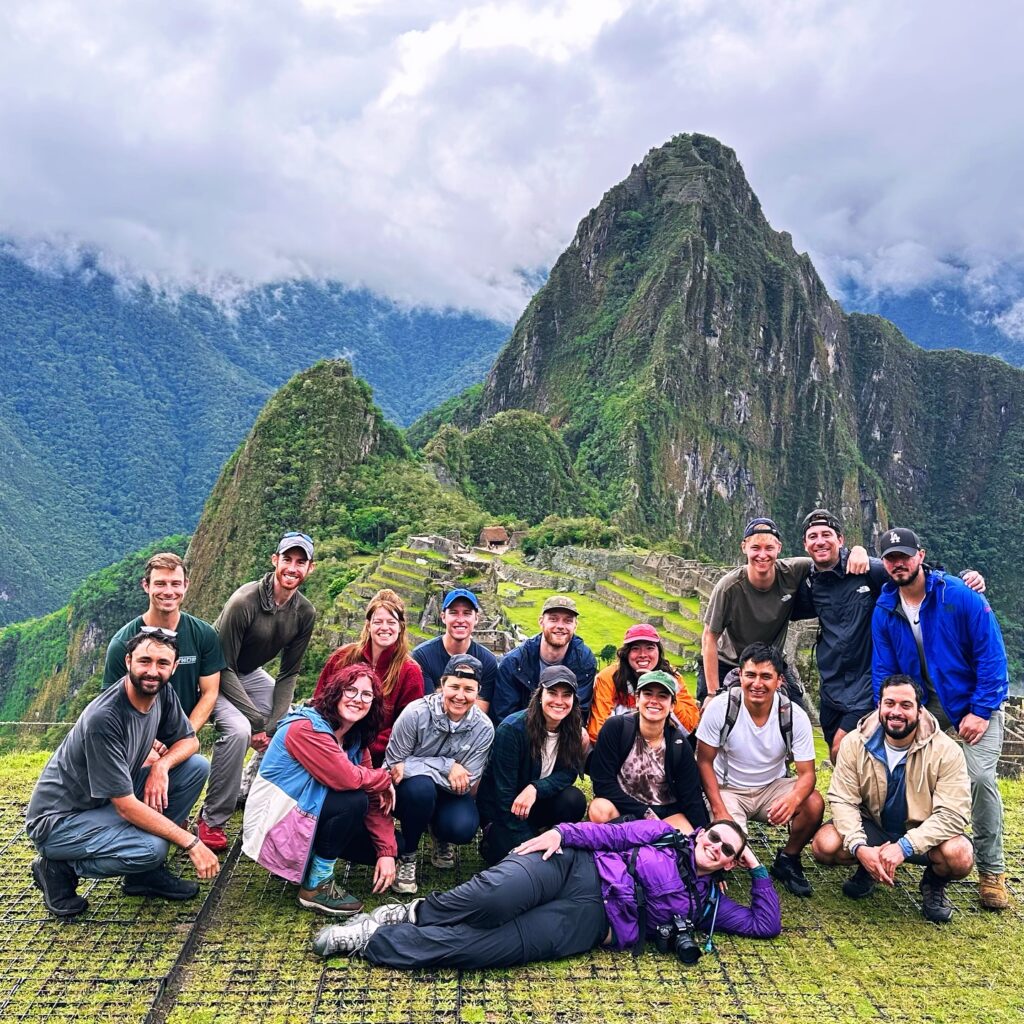
Arriving at Machu Picchu after days of walking brings a unique kind of perspective. You earned your way there, step by step.
That’s what makes the Inca Trail Machu Picchu journey different from simply visiting the site, and it stays with you longer.
So, How Difficult Is It?
It’s challenging, but not impossible.
There are moments that can test you and sections that feel harder than expected. But there are pauses, views, and quiet stretches that balance the effort.
In the end, the difficulty is about how you approach it. So, take it slowly; respect the altitude and allow space for rest.
You’ll find that what once felt intimidating becomes something achievable and deeply rewarding. Consider seeking help from True Mountain Traveler when taking a hiking adventure to the Inca Trail Machu Picchu.
