Why Do the Paracas Cliffs Change Color Throughout the Day?

Have you ever watched the sun move across the Paracas coastline? If yes, then you’ve probably noticed something strange: the cliffs don’t stay the same color for long. A soft golden wall in the morning can turn deep red by midday and change again to a dusty rose as the sun sets. It isn’t an illusion or a trick of the camera.
The Paracas cliffs genuinely change color throughout the day, and the reasons behind it come down to geology, light, and the desert environment surrounding this stretch of Peru’s coast.
The Mineral Composition of the Cliffs
The Paracas Peninsula is situated within a National Reserve known for its striking, layered rock formations. These cliffs are made up of sedimentary rock containing iron oxide and various mineral deposits. They are similar to what gives some canyons and desert landscapes their reddish tones elsewhere in the world.
Iron oxide is highly reactive to light. Depending on the angle and intensity of sunlight hitting the surface, it can appear anywhere from pale tan to deep rust red. This mineral sensitivity is the foundation of the color-shifting effect that visitors notice throughout the day.
Why Does the Sun’s Angle Matter
Light never hits a surface the same way at 8 a.m. as it does at 2 p.m. or 6 p.m. In the early morning, sunlight strikes the cliffs at a low, indirect angle. The light tends to soften colors and bring out muted golden and beige tones.
When the sun climbs higher and light becomes more direct, the iron-rich minerals in the rock reflect more intensely, often producing sharper reds and oranges. By late afternoon, as the sun lowers again, the light warms and the cliffs take on soft pink and lavender hues. It’s a phenomenon similar to what photographers chase during golden hour.
Coastal Fog and Moisture
Paracas sits along Peru’s desert coastline, where cool ocean air rolls in as a light morning fog occasionally. This moisture can slightly dull or diffuse colors early during the day before the sun burns it off. When humidity levels change throughout the day, the way light interacts with the cliff surfaces changes. This adds another layer to the color transformation travelers often ask their guides about.
Why This Matters for Travelers
Timing a visit to the Paracas cliffs can make a significant difference in what you actually see for photographers and nature lovers. Midday visits tend to showcase the boldest reds, while early morning or late afternoon visits show off softer, more pastel tones. This is the small detail that most guides highlight during Peru expeditions, since knowing when to visit a site is just as important as knowing where it is.
Experiencing Paracas the Right Way
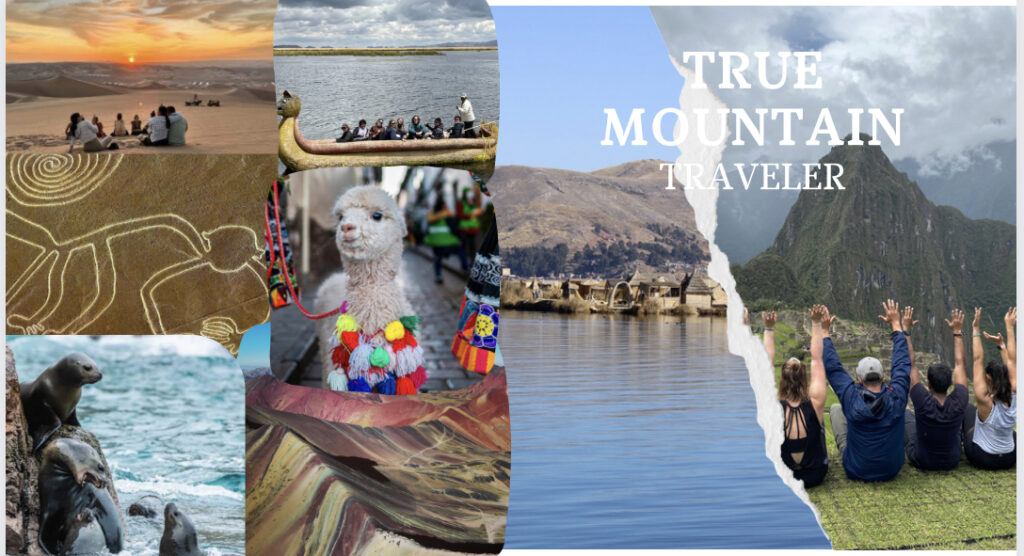
Natural phenomena like this are part of what makes Peru’s coastline compelling to explore in person rather than through photos alone. During Peru expeditions, travelers get to witness the Paracas cliffs alongside other natural wonders like the Nazca Lines and Rainbow Mountain.
These excursions are often guided by local experts who know the best times and vantage points for every stop. True Mountain Traveler builds tour itineraries around these details, so you’re not just seeing Peru’s landscapes; you’re experiencing them at their most striking.
